Old Home Buying in Pittsburgh: 3 Things I Look For | William Porter - Real Estate Advisor
3 Things Old Homes Hide (That I Know to Look For)
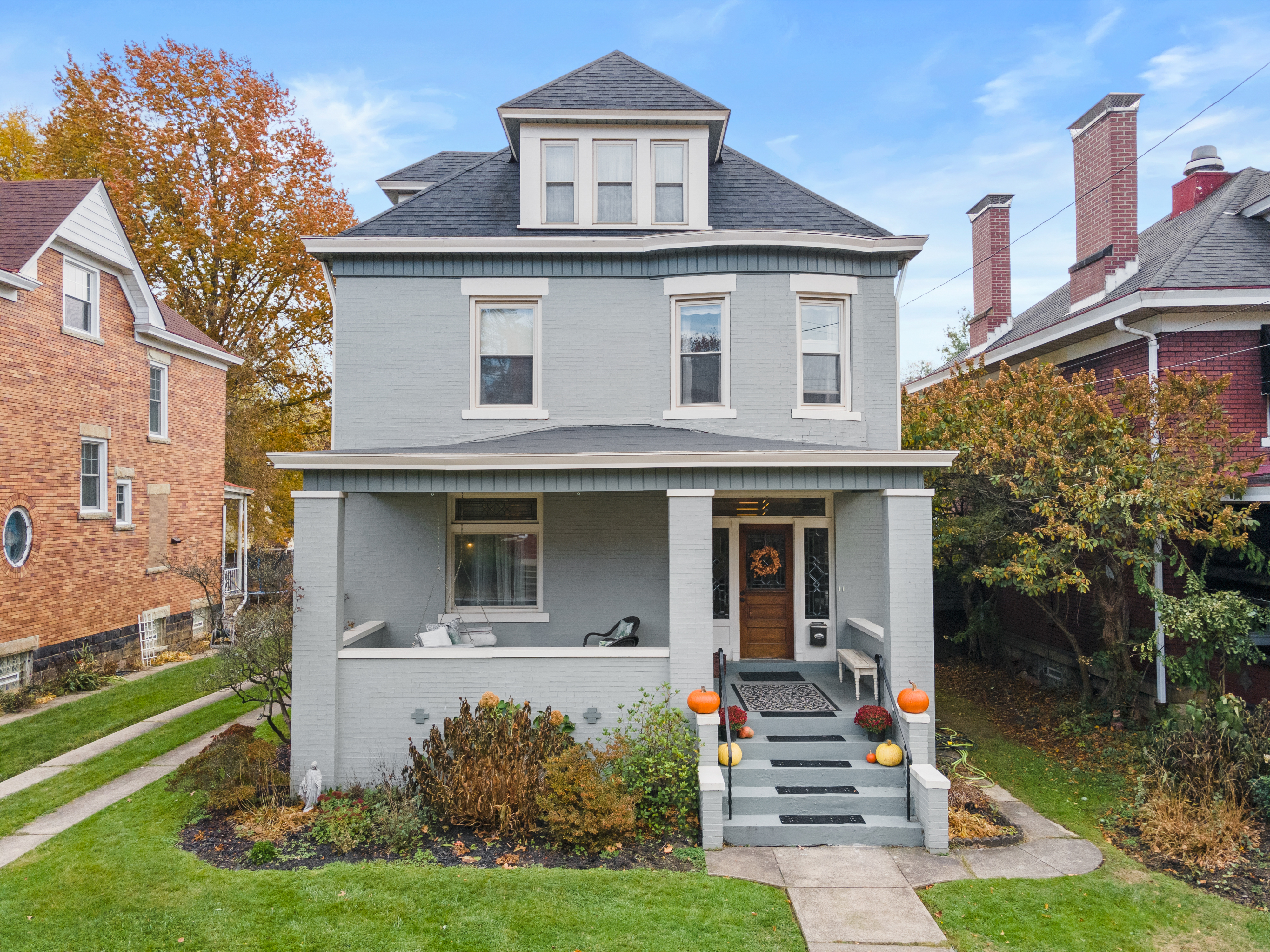
Pittsburgh is a city of old homes. Whether you're looking in Squirrel Hill, Highland Park, Lawrenceville, the North Side, or out in Mt. Lebanon and the South Hills, you're going to run into the same thing: housing stock that's a century old in some cases, full of character, and full of things that aren't visible from the open house walkthrough.
That's part of why people fall in love with this city's homes. Hand-carved woodwork, leaded glass, wide front porches built for a slower era, you can't replicate that with new construction. But older homes don't just hide charm. They hide problems. And the difference between an agent who can spot them and one who can't isn't a credential. It's experience.
I've personally renovated every home I've ever owned. That means I've found these issues with my own hands, in my own walls, not just read about them in a course. Here are three things I always look for that a lot of buyers, and a lot of agents miss.
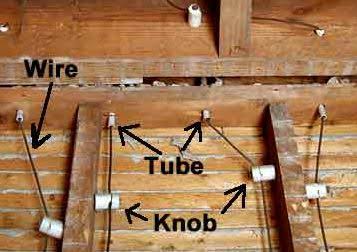
1. Knob-and-Tube Wiring
If your home was built before the 1950s, and a huge share of Pittsburgh's housing was, there's a real chance some of the original wiring is still in the walls. It shows up constantly across the city's older neighborhoods, from Mt. Lebanon to Highland Park to the North Side, and it's one of the most common things I run into on inspections.
Knob-and-tube wasn't dangerous by the standards of its time, but it has no ground wire, wasn't built for modern electrical loads, and many insurance companies won't write a policy on it without an upgrade. The tricky part is that it's almost never all-or-nothing. A previous owner rewires the kitchen in 1985 and leaves the rest. You won't know what you're actually dealing with by flipping a light switch, you find out by knowing what to look for and what questions to ask before you're under contract.
2. Foundation and Moisture Issues
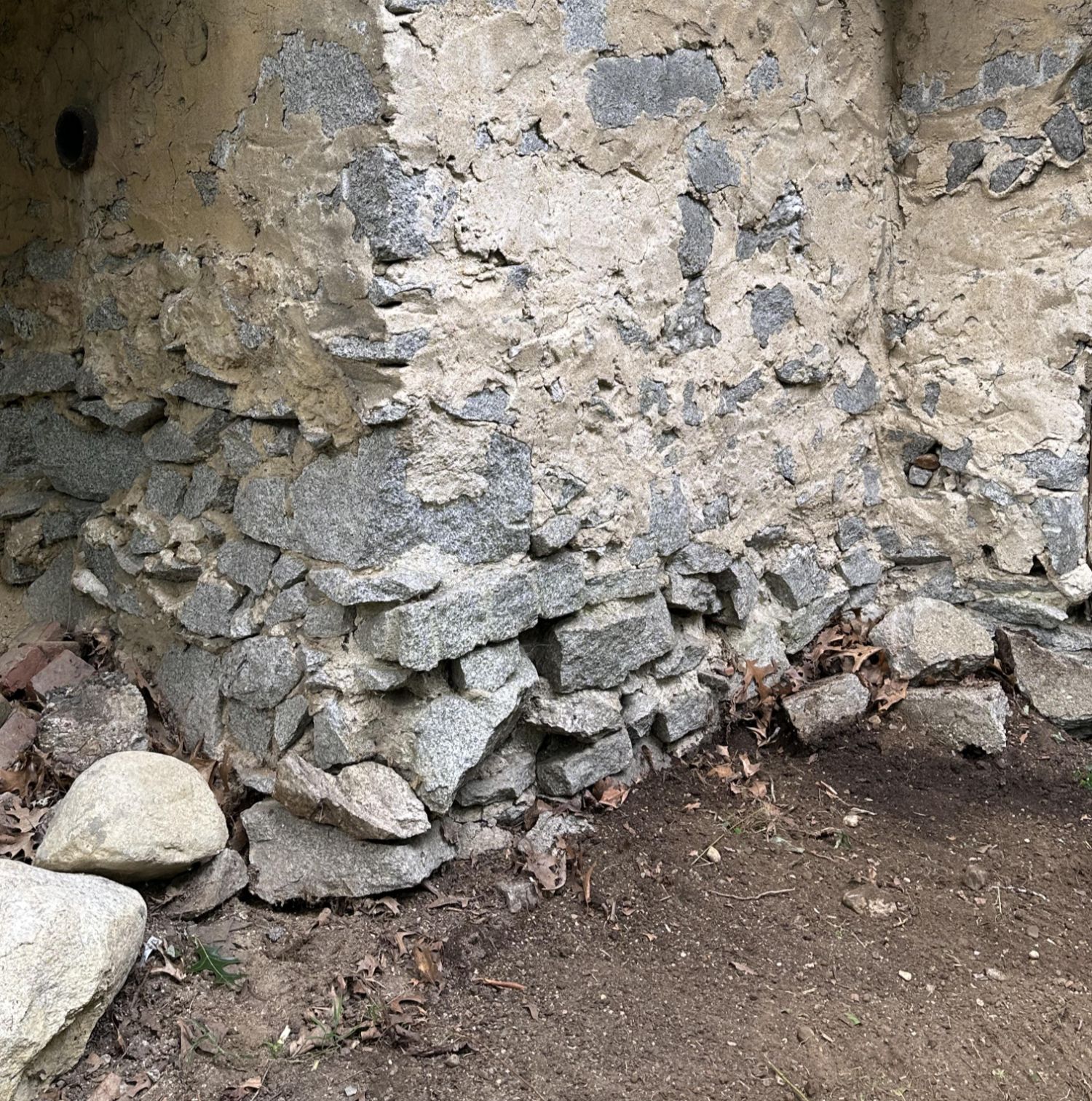
Pittsburgh's hills aren't just a postcard backdrop, they're a real factor in how older homes hold up. The combination of steep topography and the porous sandstone a lot of older foundations were built on means water finds its way in more easily here than in flatter cities. A damp basement in a 90-year-old Pittsburgh home isn't automatically alarming. It's common. The question is whether it's a manageable, expected amount of moisture or a sign of a bigger drainage or structural issue.
This is where a renovator's eye pays off. I've opened up enough walls, floors, and basements in my own homes to know the difference between "this is how old Pittsburgh houses settle" and "this is going to be an expensive negotiation point." That distinction can save a buyer real money, either in repair costs or in what they offer.
3. What's Behind a Fresh Coat of Paint
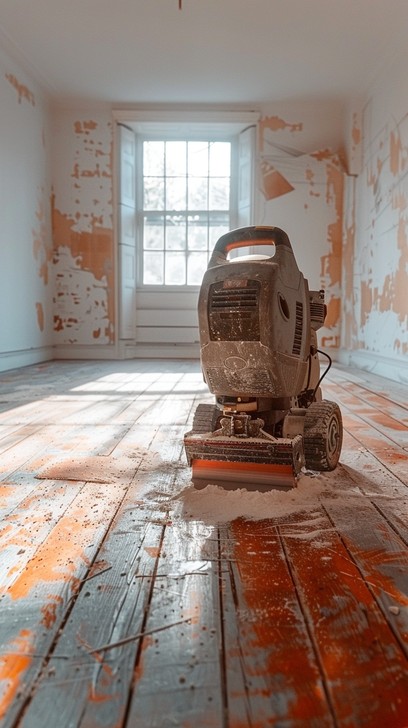
This one's less technical and more about pattern recognition. A freshly painted basement, a brand-new vanity in an otherwise untouched bathroom, sometimes that's just normal upkeep, and sometimes it's a quick cosmetic fix meant to draw your eye away from something less photogenic underneath, like an old leak or aging plumbing.
I'm not saying every fresh paint job is hiding something. Most aren't. But after renovating my own places across this city, I've learned where sellers tend to focus their last-minute attention right before listing, and that's exactly where I look first.
Why This Matters in This Market
Pittsburgh's older housing is part of what makes the city worth living in, but it also means buyers need an advisor who actually understands old homes, not just one who can run comps. The biggest price differences between two similar homes on the same street usually come down to square footage, lot size, and how much real renovation has already been done versus papered over.
Knowing what you're actually buying, mechanicals, structure, and all, is how you make sure you're not the one paying for someone else's deferred maintenance after closing.
If you're considering a home anywhere in the city or the South Hills, I'd rather walk through it with you and tell you what I actually see than let you find out after the fact
Categories
Recent Posts