5 Things to Know Before Buying a Historic Pittsburgh Home
5 Things to Know Before Buying a Historic Pittsburgh Home
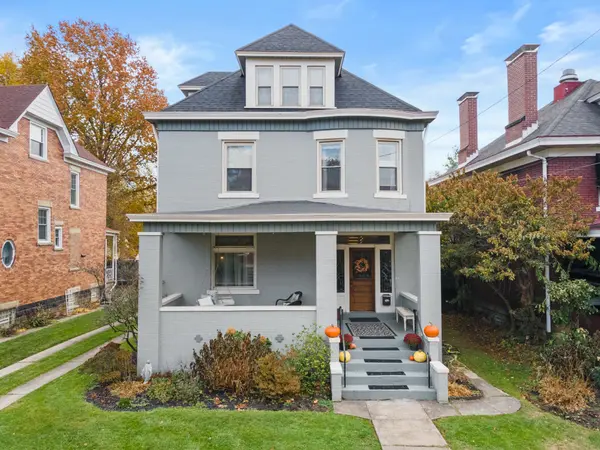
Pittsburgh's average home is 68 years old — the national average is 42. Roughly 45% of our housing stock was built before 1950, which means most of the homes you'll walk through this year come from an era before modern electrical codes, moisture barriers, insulation standards, or plumbing materials.
That's not a reason to avoid them. Historic homes come with hardwood floors, walnut and oak finishes, coffered ceilings, and built-in craftsmanship you simply can't get in new construction anymore — not at any price. But buying one means knowing what's behind the plaster before you fall in love with what's in front of it.
Here are the five things every historic Pittsburgh home buyer should know going in.
1. Knob and Tube Wiring
Homes built before 1940 often still have knob and tube wiring — cloth-insulated copper wire run through porcelain knobs and tubes. It offers no grounding, wasn't designed to be covered by insulation, and isn't built for the electrical load of modern appliances. It's not automatically a dealbreaker, but it is something to budget for.
→ Full breakdown: Behind the Plaster #1: The Wiring Nobody Talks About (Until It's a Problem)
2. Wet Basements
A damp basement doesn't always mean a foundation problem — but it can. Knowing the difference between routine seasonal moisture and a real drainage or structural issue is one of the most important things a buyer can learn before making an offer.
→ Full breakdown coming soon: Behind the Plaster #2
3. Little to No Insulation
Many homes built in the early-to-mid 1900s were never insulated to modern standards, if at all. It's rarely a safety issue, but it affects comfort and utility costs — and it's a common surprise for buyers used to newer construction.
→ Full breakdown coming soon: Behind the Plaster #3
4. Settlement Cracks
Nearly every home this age has settled over the decades. Some cracking is cosmetic and expected. Some signals a real foundation issue. Learning to tell the two apart — or knowing when to bring in someone who can — matters more than the crack itself.
→ Full breakdown coming soon: Behind the Plaster #4
5. Outdated Plumbing
Alongside old wiring, many of these homes still have original galvanized steel supply lines, which corrode from the inside over time and gradually restrict water flow and pressure. It's a slower, quieter issue than wiring or foundation problems, but it's just as important to have evaluated.
→ Full breakdown coming soon: Behind the Plaster #5
The Bottom Line
None of this is a reason to rule out a historic home — it's the reason to buy one with your eyes open. It's also why it matters to work with a real estate advisor who actually knows these homes — someone who's walked through enough of them to know what a red flag looks like versus what's just part of owning something built in 1910. Every item on this list is knowable, inspectable, and budgetable before you close.
And even after you've budgeted for them, historic homes are still one of the best ways to get higher-end finishes for less money. Walnut, maple, and oak millwork, coffered ceilings, and detailed moulding come standard in homes like these — the same features that would cost significantly more to add to a new build, if you could find a builder willing to do them at all. You're not just buying a house with some things to fix. You're buying character and craftsmanship at a price point new construction simply can't match.
This post kicks off Behind the Plaster, a series going deep on each of these five issues one at a time. First up: wiring.
Looking at a historic home in Pittsburgh and want a second set of eyes before you write an offer? Let's talk.
Categories
Recent Posts